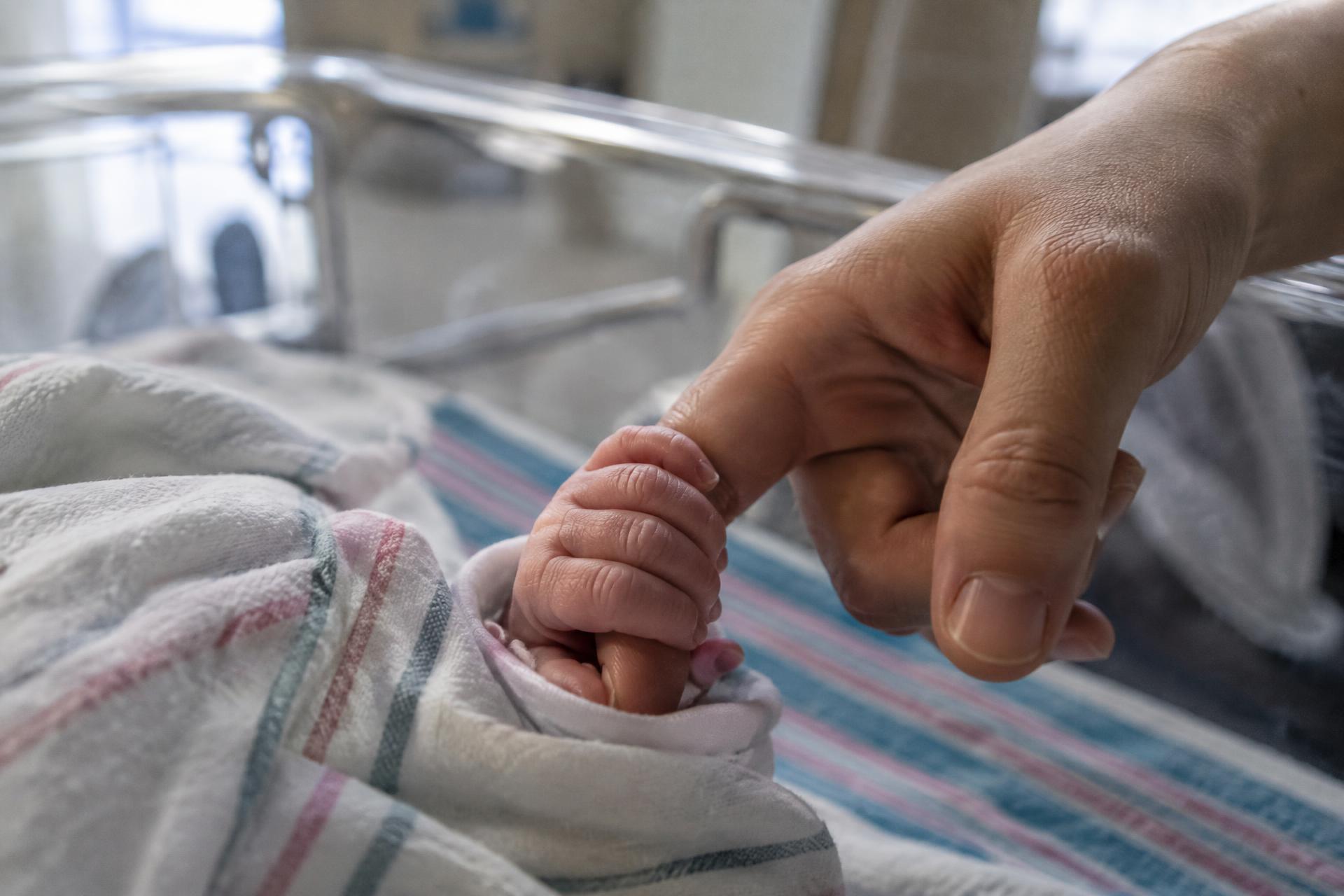
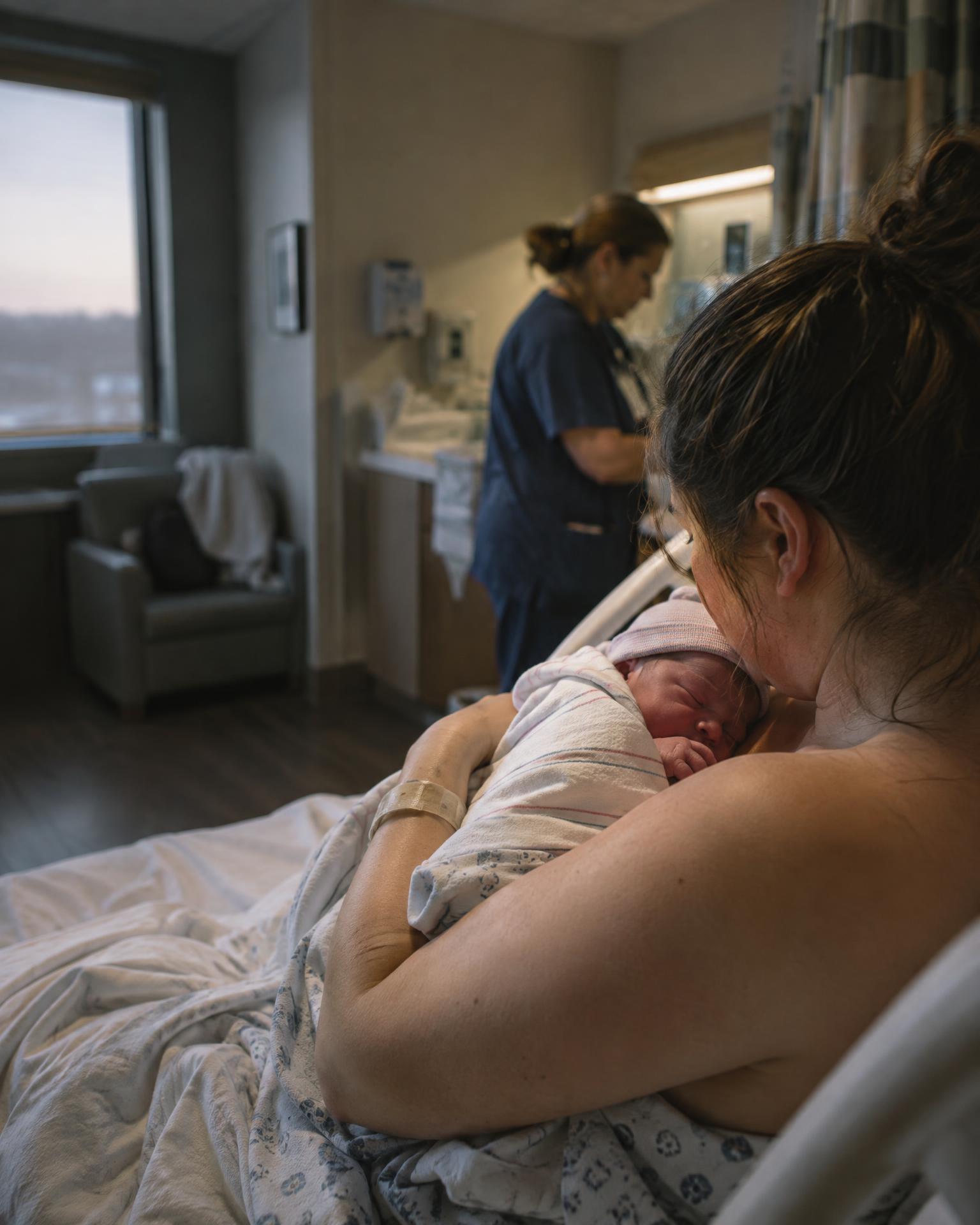
At Ruth's Renewal we believe the connection between a mother and her baby is sacred — divinely designed to nurture emotional, physical, and neurological development. When it is disrupted, especially in the first months of life, the effects reach far beyond heartbreak. They shape a child's brain, behavior, and health for years to come.
Separation does not just affect the heart. It changes how the brain grows, how trust develops, and how love is received and expressed.
I. A brain built in seconds.
From birth to age three, a baby's brain forms over one million new neural connections every second. Those pathways are drawn by consistent nurturing, touch, eye contact, and emotional attunement — most often with the mother.
When an infant is separated, even briefly, their developing brain misses the regulating, soothing interactions that build the foundation for emotional and cognitive health.
Harvard's Center on the Developing Child names stable, responsive caregiving as the single most important factor in healthy brain development. Prolonged separation over-fires the HPA stress axis; the resulting toxic stress damages the circuits used later for emotion regulation and learning. The amygdala becomes hyper-responsive to fear. The prefrontal cortex — decision-making, impulse control — grows more slowly.
II. A nervous system, unpartnered.
A mother's voice, scent, and heartbeat are not sentimental — they are regulators. Her heartbeat literally paces her baby's. Without them, cortisol rises. Sleep breaks. Feeding falters. Attachment thins.
Mothers, in turn, experience heightened depression, guilt, and — for those in recovery — an increased risk of relapse. Oxytocin, released in skin-to-skin and feeding, is shared. Take away the contact and both sides lose it.
III. A cost measured in decades.
Children who experience early maternal separation — especially in the context of stress, addiction, or foster placement — carry the effects into childhood and adulthood. Aggression. Withdrawal. Difficulty forming healthy relationships. Learning delays. Higher rates of substance use and mental-health disorders later in life, chasing the emotional void left by early disconnection.
According to the National Institutes of Health, children with unstable early caregiving are more than twice as likely to experience emotional or behavioral problems before age ten.
IV. A system built to protect.
Foster care aims to protect vulnerable children. But separating infants from mothers immediately at birth — when both are willing and capable of supervised treatment — can do lasting harm. Infants placed in multiple homes within their first year show significantly higher rates of attachment disorders and developmental delays.
A 2020 study in the Journal of Child Psychology and Psychiatry found infants who remained with their mothers in treatment-based programs had higher developmental scores and lower stress responses. Keeping mothers and infants together — in safe, structured environments like the Ruth's Renewal Restoration House — produces healthier outcomes for both.
God designed the bond as a foundation of healing. Separating them interrupts that divine process. Keeping them together honors it.
We don't see a problem to solve. We see a family worth saving — one heartbeat at a time.